


A Weekend Build That Paid For Itself In Confidence
On Saturday morning, the plan was scribbles and coffee. By Sunday night, a spreadsheet showed drift, Make queued alerts, and Slack buttons approved tiny test orders. The result was surprising serenity during Monday’s noise. Confidence didn’t come from heroics; it came from simple, observable steps people could explain, trust, and improve week after week without brittle complexity or panic.

Common Pitfalls Readers Shared And How We Repaired Them
Early flows forgot holidays, misread ticker suffixes, and retried into duplicated orders. We fixed them with calendars, mapping tables, and idempotency rules. Others over‑traded on narrow bands, so we widened thresholds and added cost estimates to alerts. Share your roadblocks, and we will crowdsource pragmatic patches, turning sharp edges into rounded corners that welcome newcomers and steady veterans alike.
Join The Experiment: Share Allocations, Vote On Next Build
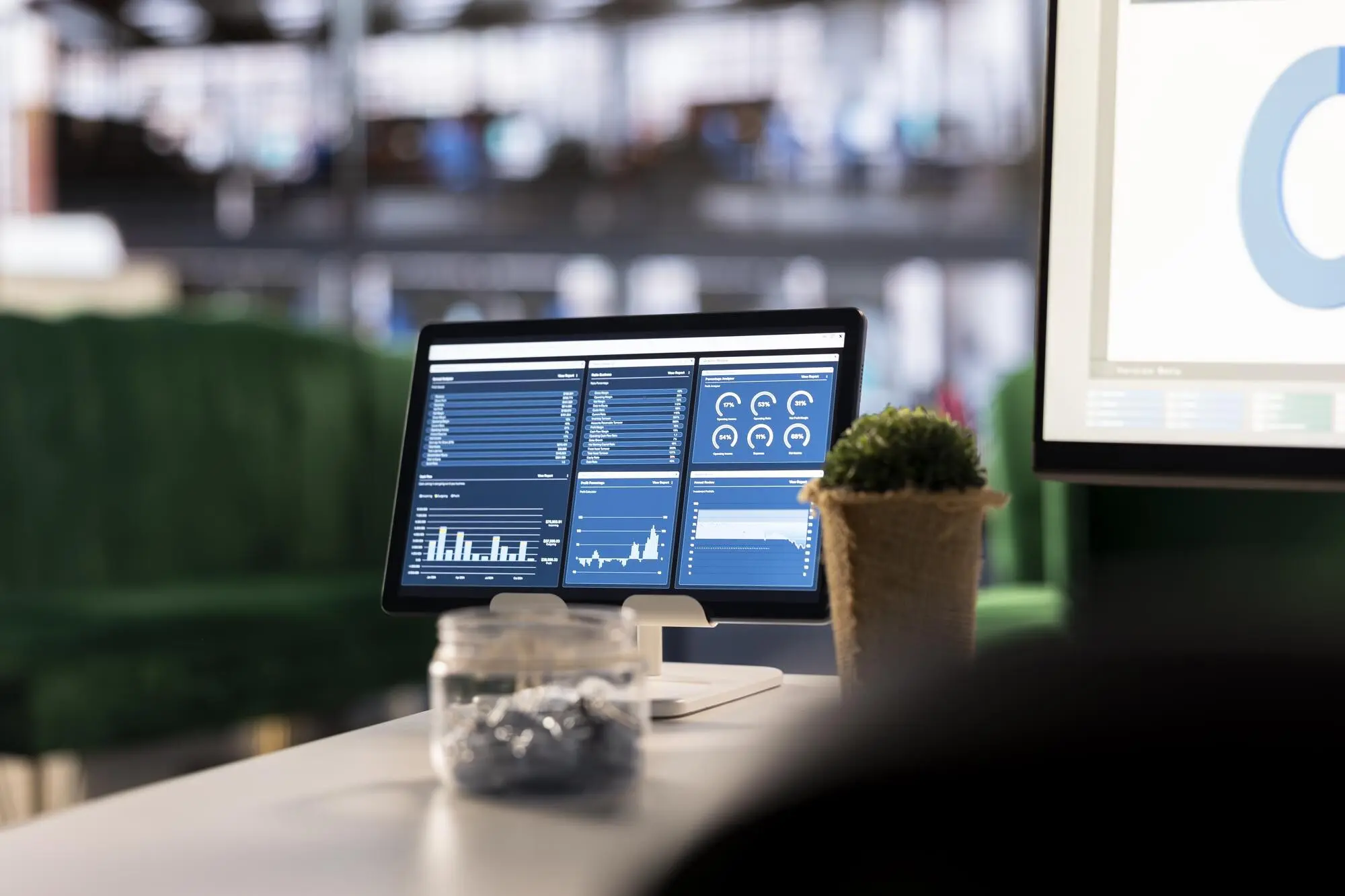
Post your target weights, drift thresholds, and notification preferences. Tell us whether you prefer emails, Slack messages, or dashboard tiles. We will publish anonymized comparisons, templates, and checklist updates. If you find this helpful, subscribe and invite a friend. The more perspectives we gather, the more robust, kind, and future‑proof our shared no‑code rebalancing playbook becomes.