From Trades to Tables: A No-Code Path That Actually Works


Join us as we dive into integrating brokerage accounts with Airtable or Notion via no-code connectors, turning balances, positions, and orders into living workspaces. We will compare connector options, map reliable schemas, design secure automations, and share hard‑won lessons from real pilots and production rollouts. Share your stack, ask questions, and subscribe for deep dives and templates.

Designing a Clear Data Model for Brokerage Records

Before any automation, shape the structure that will hold everything together. Define tables or databases for accounts, positions, transactions, orders, and price snapshots. Use stable identifiers, thoughtful relationships, multi‑currency fields, and notes for reconciliations, audits, and future troubleshooting.

Selecting Connectors and Crafting Reliable Syncs

No-code platforms differ widely in triggers, rate limits, batching, and error handling. Evaluate whether Make, Zapier, or a dedicated importer can reach your brokerage or aggregation layer, accept webhooks, and safely write to Airtable or Notion without duplicating records or exhausting quotas during market peaks.

Security, Compliance, and Trustworthiness

Handle Tokens and Secrets Deliberately

Store credentials inside the automation platform’s vault, not inside records. Rotate keys regularly, enable two‑factor authentication, and prefer broker scopes that block trading. Keep a minimal service account for integrations, and monitor access logs so anomalous calls are caught before sensitive exports are shared.

Share Data Safely Without Leaks

Store credentials inside the automation platform’s vault, not inside records. Rotate keys regularly, enable two‑factor authentication, and prefer broker scopes that block trading. Keep a minimal service account for integrations, and monitor access logs so anomalous calls are caught before sensitive exports are shared.

Plan for Audits and Incident Response

Store credentials inside the automation platform’s vault, not inside records. Rotate keys regularly, enable two‑factor authentication, and prefer broker scopes that block trading. Keep a minimal service account for integrations, and monitor access logs so anomalous calls are caught before sensitive exports are shared.

Calculating Cost Basis and Realized Results

Decide on FIFO, LIFO, or specific‑lot selection and document the rule in the workspace for clarity. Use helper tables to track lots per fill, merge with fees and commissions, and compute realized P&L precisely when quantities cross zero during partial exits or complete position closures.

Handling Corporate Actions and Price Feeds

Splits, dividends, mergers, and symbol changes cause silent breaks when ignored. Add reference tables for actions and map old identifiers to new ones. Record declared, ex, and pay dates, then recompute quantities and per‑share costs so dashboards stay trustworthy after inevitable market events ripple through holdings.

Dashboards, Reviews, and Proactive Alerts
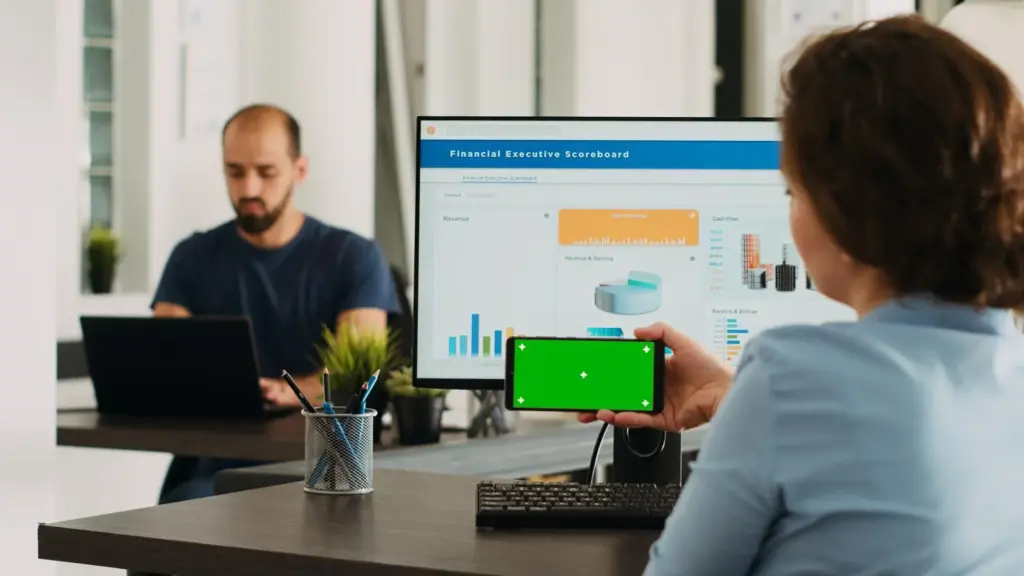
Turn raw numbers into decisions. Build views for exposure by sector and currency, recent activity, fees, and performance versus benchmarks. Add Slack or email alerts for cash shortfalls, large fills, or failed syncs, and schedule review rituals so insights consistently lead to appropriate actions.

Airtable Interfaces That Guide, Not Confuse

Design interfaces with read‑only summaries, color‑coded exceptions, and embedded charts from synced sheets. Group by account and instrument, expose only actionable fields, and include a one‑click reconciliation checklist. Non‑technical reviewers should feel confident navigating without risking formula edits or breaking delicate relationships accidentally. In one mid‑size firm, this approach halved review time within a week.

Notion Views That Tell a Clear Story

Compose a portfolio home with rollups for current value, risk notes, and open initiatives. Add linked databases filtered by account or strategy, then place callouts describing what to decide next. Clear narratives reduce time spent hunting numbers and increase time spent choosing smart responses.

Pilot With Paper Trading or a Sandbox

Where available, request a sandbox or paper trading account so real money never touches early experiments. Populate a tiny watchlist, place small test orders, and capture resulting activities. This controlled stream reveals mapping mistakes, data gaps, and quota surprises before executives ever see a dashboard.

Test Idempotency and Failure Paths

Force retries, duplicate payloads, and timeouts intentionally, then verify your upsert logic and alerts behave calmly. Unplug a module to simulate a provider outage. A dependable system degrades gracefully, preserves order, and helps operators recover quickly with clear breadcrumbs and reversible checkpoints.
Farizentosentosavitelirinovanilaxi
Privacy Overview

This website uses cookies so that we can provide you with the best user experience possible. Cookie information is stored in your browser and performs functions such as recognising you when you return to our website and helping our team to understand which sections of the website you find most interesting and useful.