







Visuals That Reduce Time to Insight
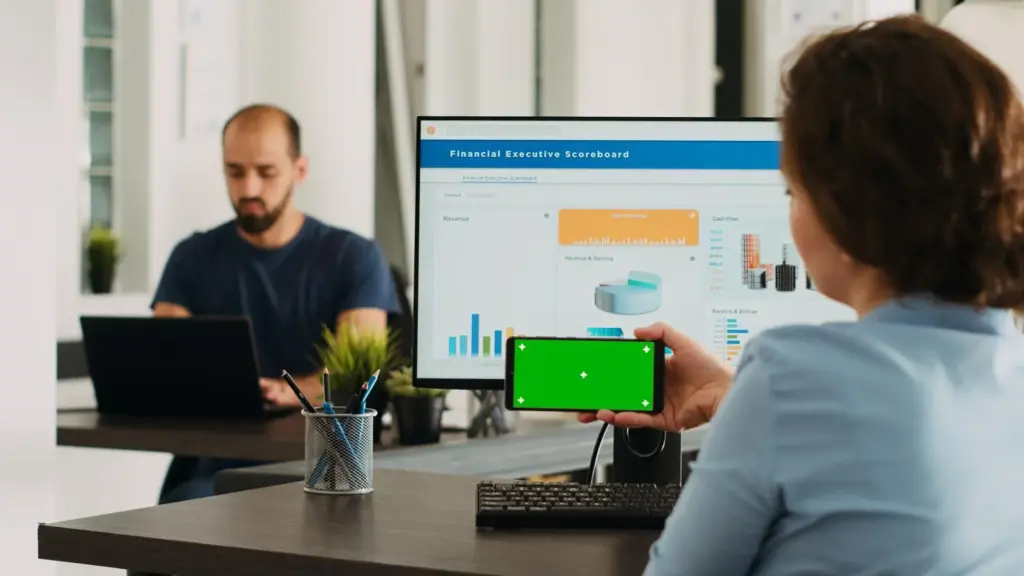
Design layered dashboards: portfolio‑level heatmaps, drill‑downs to issuer detail, and side‑by‑side comparisons against peers. Include sparklines for time trends, distribution plots for dispersion, and clear badges for controversies. Always provide a one‑click link to underlying evidence so anyone can validate or challenge interpretations instantly.

Real‑Time Triggers for Material Events
Wire Slack or Teams alerts to threshold breaches, significant controversies, or rating downgrades. Batch low‑risk changes into daily digests, and escalate high‑severity items immediately with context, links, and suggested next steps. Measure alert fatigue, tune rules, and archive false positives to continuously improve signal quality.

Collaboration, Tasks, and Evidence Trails
Turn screening outcomes into tasks. Assign follow‑ups to PMs, stewardship leads, or research analysts with due dates and checklists. Capture meeting notes directly in the record. These small process touches keep momentum, reduce email sprawl, and create a searchable trail of decisions and engagements.